
Escape Rooms in Historic and Listed Buildings
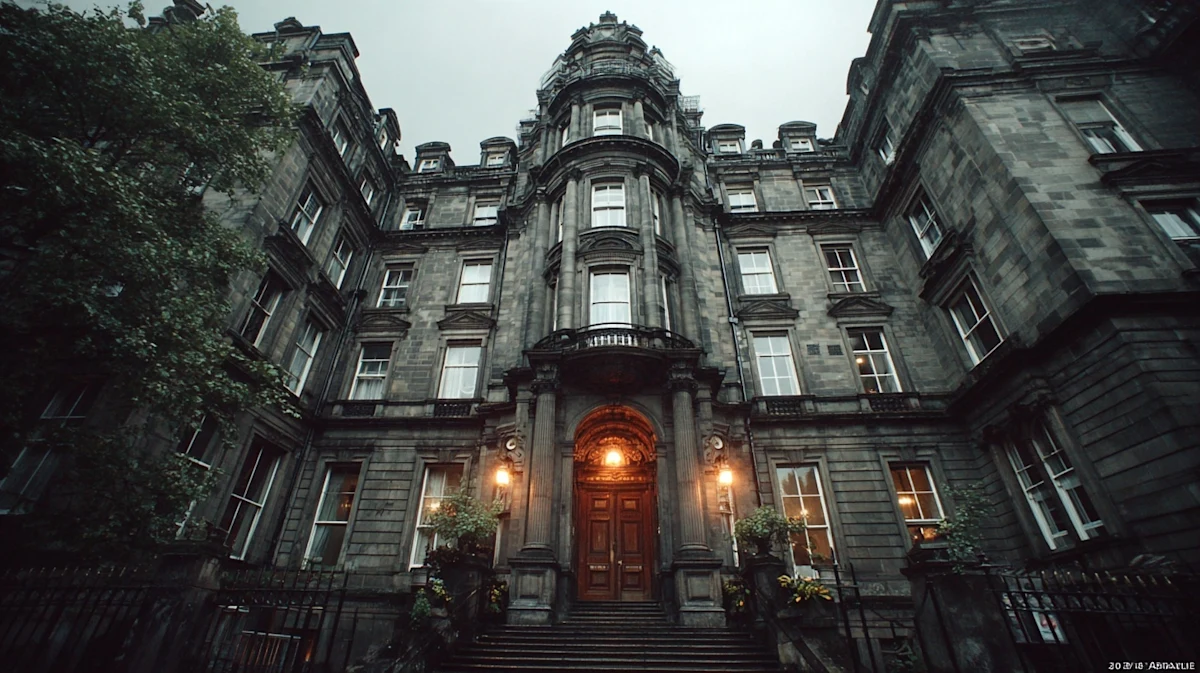
Designing escape rooms in historic and listed buildings requires a sensitive, low-impact approach. We design and deliver escape rooms and immersive experiences that respect protected structures, work within planning constraints, and remain fully reversible while still providing engaging, story-led experiences.
Key capabilities
- Escape room design for historic and listed buildings
- Low-impact, reversible installations
- Experience design shaped by existing architecture
- Early consideration of planning and conservation constraints
- Practical solutions for complex or protected spaces
Escape Rooms in Historic & Listed Buildings
Historic and listed buildings offer rich atmosphere and character, but they also introduce specific challenges when creating immersive experiences. Escape rooms in these environments must be designed with care—respecting the building, meeting regulatory requirements, and working within physical constraints.
We design escape rooms and immersive attractions that make use of historic spaces without compromising their integrity.
Designing With the Building, Not Against It
In historic settings, the building itself often becomes part of the experience.
Design approaches focus on:
- Responding to existing architectural features
- Using spaces as they are, rather than forcing alterations
- Letting atmosphere emerge naturally from the environment
- Avoiding unnecessary structural intervention
This results in experiences that feel authentic rather than imposed.
Low-Impact and Reversible Installations
Many historic and listed buildings require installations to be fully reversible.
Design and build decisions prioritise:
- Free-standing structures and fixings
- Non-invasive mounting methods
- Minimal or no permanent alterations
- Clear separation between new elements and original fabric
Where permissions are required, designs are developed to support clear justification and approval.
Working Within Planning and Conservation Constraints
Historic projects often involve additional stakeholders, including conservation officers or property managers.
Early design stages consider:
- Listing status and site restrictions
- Access limitations and services routing
- Fire safety and compliance requirements
- Ongoing building use alongside the attraction
Addressing these constraints early helps avoid delays later.
Practical Operation in Historic Spaces
Historic buildings can present operational challenges that differ from modern venues.
Design accounts for:
- Irregular layouts and room sizes
- Limited power or infrastructure
- Environmental conditions such as temperature or humidity
- Safe visitor movement through older spaces
The aim is a reliable experience that works within the realities of the building.
Suitable Formats for Historic Buildings
Not all historic settings suit traditional escape room formats.
Alternative approaches may include:
- Narrative-led immersive rooms
- Puzzle trails or linked spaces
- Shorter, modular experiences
- Guided or semi-guided formats
The format is chosen to suit both the site and the audience.
A Respectful, Measured Approach
Escape rooms in historic and listed buildings can be powerful additions to visitor experiences when designed thoughtfully.
A measured, respectful approach ensures the experience enhances the site rather than competing with it.
Ready to discuss your project?
Get in touch to explore how we can bring your vision to life with our escape rooms in historic and listed buildings services.