
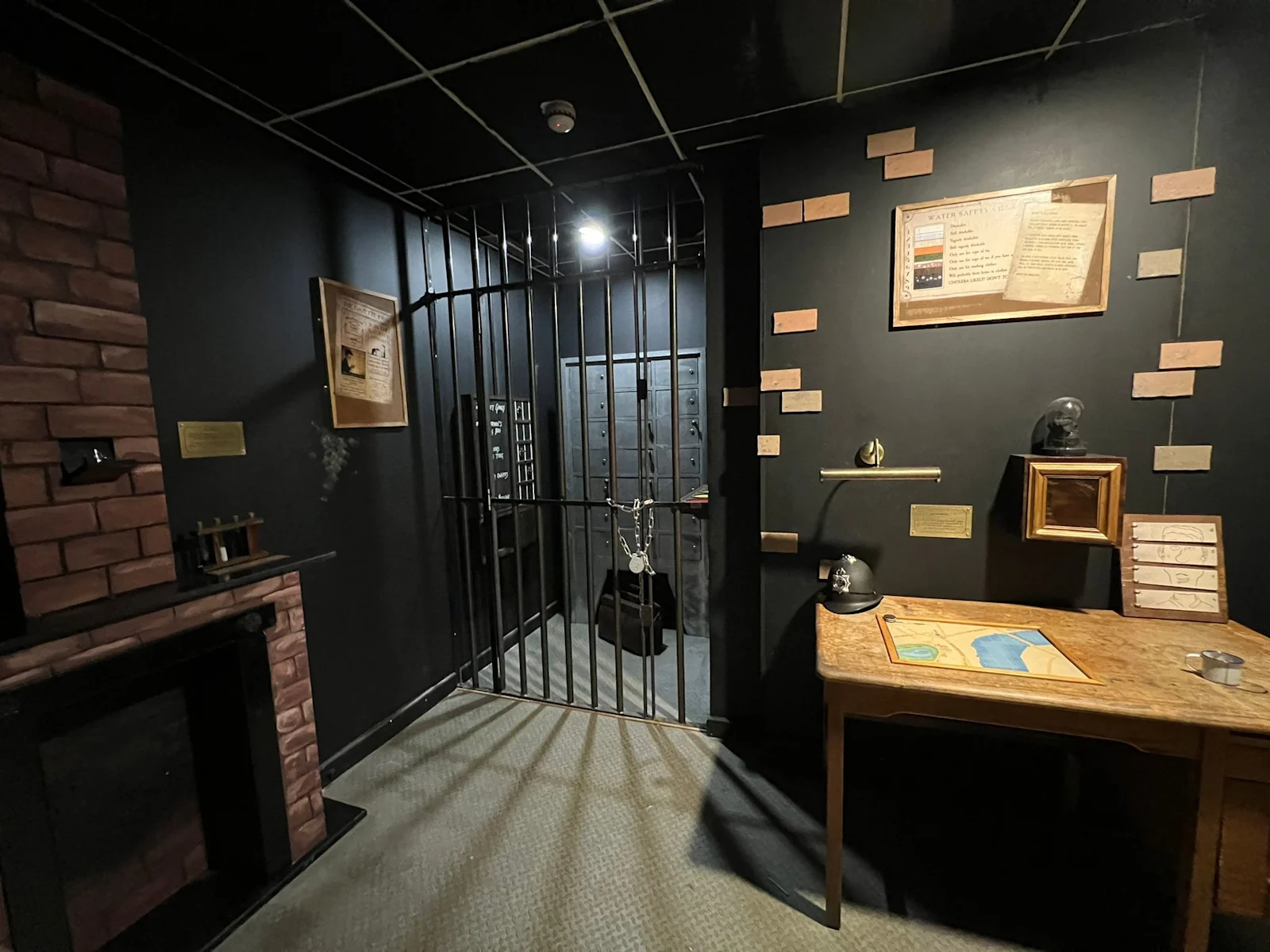
The difference between a poor escape room and a good one is rarely just the puzzles. That might sound strange, because puzzles are what escape rooms were originally built around. Locks, codes, riddles, hidden clues, sequences, logic problems. Those things still matter, of course. A room with bad puzzles will still frustrate people.
But the market has changed. A lot of customers aren’t coming in because they want a hard puzzle challenge. They’re coming because they want to step into another world for an hour. They want the photos, the atmosphere, the feeling of being inside another world - whether that's a film, a secret laboratory or a real piece of local history.
That’s where a lot of escape rooms fall short - they build a room with enough puzzles in it to fill an hour; the better ones build a world where time doesn't matter.
Strong Theme Sells the Room
A strongly themed room is easier to market, easier to remember and easier for customers to talk about afterwards.
People want to take photos. They want a space that feels worth sharing. Even if phones aren’t allowed during the game, the lobby, entrance, ending scene or one part of the set should give people that “we have to get a picture here” moment. That matters commercially.
A room that photographs well spreads further; it gives customers something to post, and it gives future customers a reason to imagine themselves there.
This doesn’t mean every room needs a Hollywood budget. It means the space has to feel intentional. The walls, props, lighting, sound, smell, costumes and story all need to belong to the same world.
A few puzzles in a painted office won’t cut it anymore.